
 Español

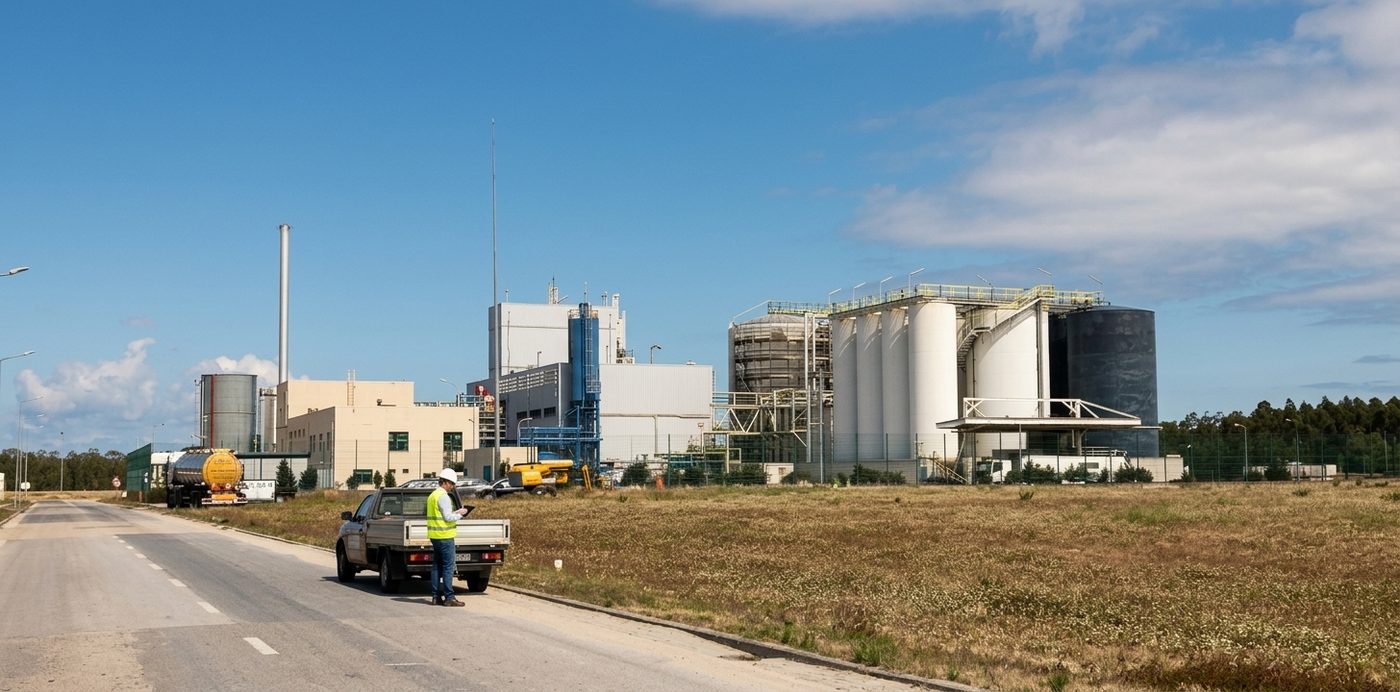
Conducting Phase I Environmental Due Diligence (EDD) audits has become an essential step for any acquisition, divestment, or management of industrial, logistics, or commercial real estate assets. In these preliminary assessments, our team systematically analyzes potential environmental risks associated with the site, focusing particularly on two critical areas today: the potential presence of asbestos-containing materials (ACMs) and compliance with European regulations on fluorinated refrigerant gases (F-Gas Regulation) across existing HVAC systems.
Regarding asbestos, Phase I focuses on identifying indications of its presence in roofs, downspouts, storage tanks, panels, or structural elements likely to contain fiber cement. Although the removal of this material has been regulated for decades, it remains common in buildings constructed prior to 2002. We therefore evaluate available documentation, visually inspect accessible areas, and verify whether prior removal records by authorized contractors exist. This assessment determines whether the property poses potential health risks or requires additional actions.
The second analytical pillar focuses on the type of refrigerant gas present in HVAC, air-source heat pumps, or cold storage units. The EU F-Gas Regulation and its implementation in Spanish law impose progressive phase-downs on refrigerants with high Global Warming Potential (GWP), alongside mandatory leak checks, maintenance logs, and handler certification requirements. During the audit, we verify the refrigerant type, safety classification (A1, A2L, A3), equipment condition, and alignment with regulatory phase-out deadlines, delivering actionable recommendations for retrofitting or replacement where required.
Asbestos Inventories (Phase II): Sampling, Analysis, and Recommendations
Beyond Phase I audits, we execute full Phase II Asbestos-Containing Material (ACM) surveys. This stage involves collecting bulk samples from suspected solid materials (fiber cement, insulation, gaskets, mortars, etc.) and, where appropriate, ambient air sampling. Samples are analyzed in accredited laboratories using Phase-Contrast Microscopy (PCM) or Transmission/Scanning Electron Microscopy (TEM/SEM), ensuring fully traceable, accurate results.
For ambient air samples, Spanish legislation sets very clear limits:
- Occupational Exposure Limit (VLA-ED): 0.01 fibers/cm³, calculated as an 8-hour time-weighted average (TWA).
- During abatement works, the clearance criteria requires achieving concentrations below 0.01 fibers/cm³ post-cleaning and prior to handover of the area for re-occupancy.
Con base en los resultados analíticos, elaboramos un informe técnico que incluye la evaluación de riesgos, la necesidad o no de retirar los materiales con amianto, y una estimación económica detallada tanto de la retirada por empresa autorizada como de la reposición de los elementos estructurales afectados.
Our goal is to provide each client with a clear, rigorous, and practical overview of the environmental status of their facilities, facilitating informed and secure decision-making.
You can also consult our article: Phase II Environmental Due Diligence: What It Is, When It Is Required, and Why It Is Critical for Risk Management.