
 Español

Today, growing also means knowing the environmental impact of your business activities.
Growing as a business no longer means just increasing production, expanding facilities, or opening new locations. Today, growth also requires understanding the environmental impact of your operations and managing it responsibly. Furthermore, measuring and reducing emissions has become a key strategic matter. Major clients, investors, and other value chain stakeholders increasingly demand transparency, verifiable data, and genuine commitments to decarbonization.
In this context, emission reduction plans are a key tool. It is not just about drafting an environmental document, but about defining a realistic roadmap that allows the organization to move forward in an orderly manner toward reducing its emissions.
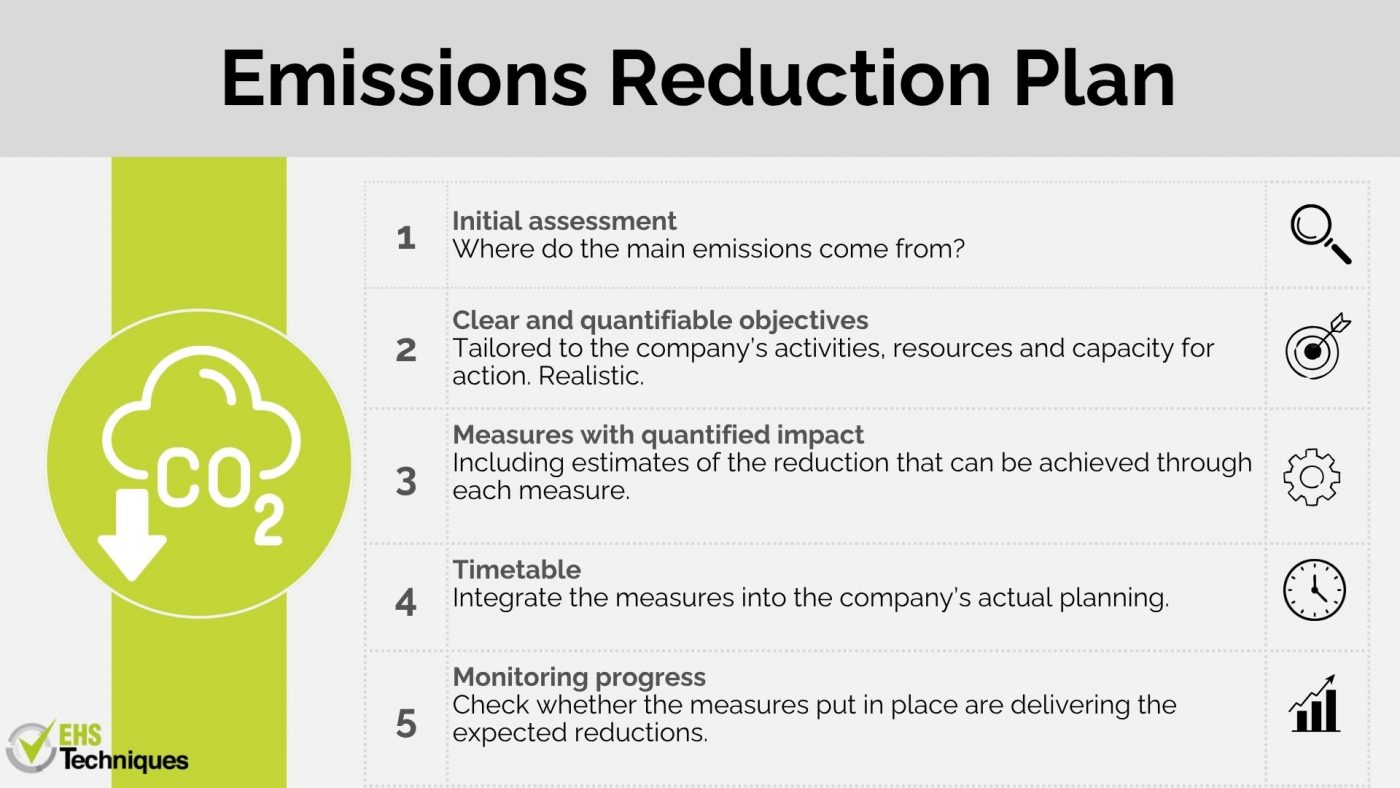
But how is an emission reduction plan built? It is not about applying magic formulas overnight, but about following a structured and realistic process:
- Initial Diagnosis: Before proposing any measures, it is essential to identify where the main emissions are generated: energy consumption, fuels, transport, materials, waste, commuting, or the supply chain. This analysis makes it possible to pinpoint priority hotspots and determine where to act.
- Define clear and quantified targets: Objectives are established based on the company’s activity, resources, and capacity to act. These targets should be ambitious, yet realistic.
- Propose measures with quantified impact: It is not enough to simply say “optimize transport” or “improve energy efficiency”; it is necessary to estimate the specific reduction achievable with each action. For example, upgrading part of the fleet, contracting renewable electricity, optimizing logistics routes, or working with suppliers with a lower carbon footprint.
- Set a timeline: It must distinguish between short, medium, and long-term actions. Reducing emissions does not mean doing everything at once, but rather integrating measures into the company’s actual business planning.
- Monitor progress: By using indicators to verify whether the implemented measures are delivering the expected reductions. This tracking helps correct deviations, update assumptions, and incorporate new actions.
In short, reducing emissions is not about doing everything all at once, but about moving forward in a planned, transparent, and measurable way. A solid reduction plan aligns sustainability with business strategy, strengthening efficiency, competitiveness, and long-term vision.
Strategic Information for Decision-Making
The true value of an emission reduction plan lies in converting data into actionable insights for decision-making. Technical consulting provides the diagnosis, calculation, and quantification of alternatives, but the final decision on which measures to prioritize and when to execute them always rests with company management.
At EHS Techniques, we help companies quantify their emissions and outline realistic reduction plans tailored to their strategy and resources.
Let’s talk about your project—contact us today.