
 Español

The Spanish regulatory framework governing potentially polluting activities has undergone significant changes. This process began to take shape with the landmark Royal Decree 9/2005, which regulated activities that could potentially contaminate the soil. It has subsequently been updated with Royal Decree 665/2023 on the protection of groundwater. The regulations governing contaminated soil and groundwater in Spain are therefore set out below.
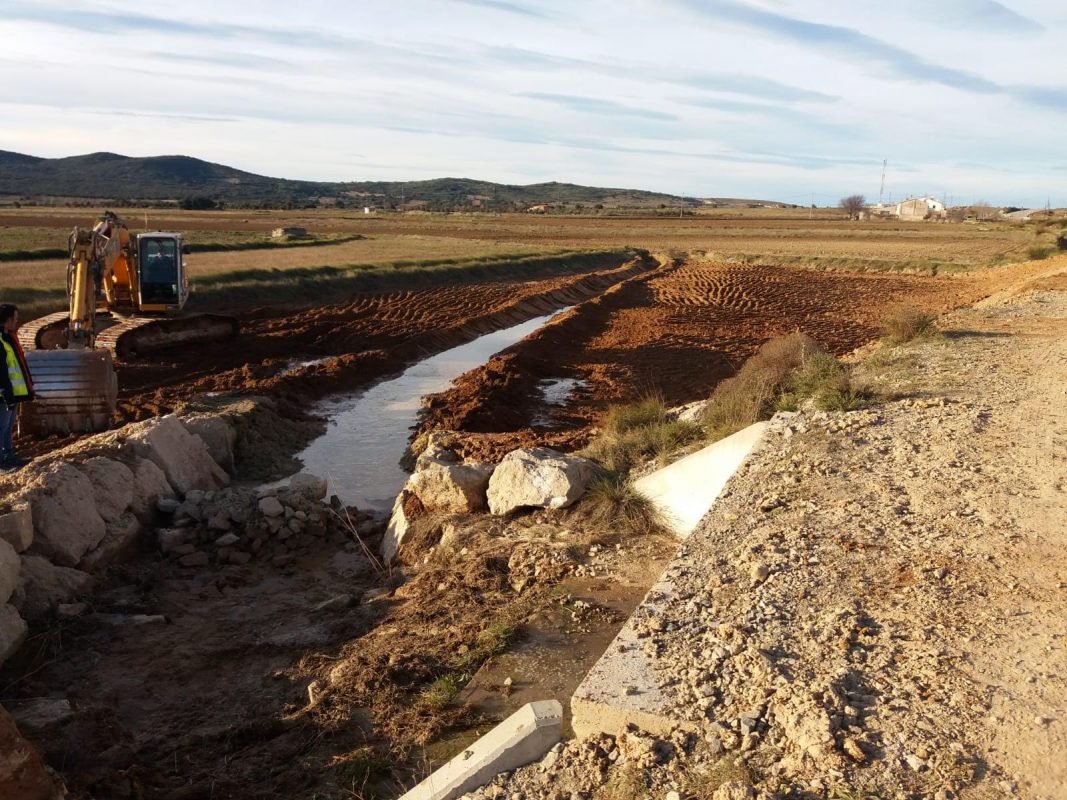
In order to monitor the possible consequences arising from potential contamination caused by an activity. For this reason, the first environmental medium affected was taken into account: the soil on which the activity takes place. Over time, it became apparent that the scope needed to be extended to include groundwater, which is widely present at most sites.
The origins and development of regulations on contaminated land in Spain
The first piece of legislation to mention land potentially contaminated by an activity is Law 10/1998 of 21 April on Waste, which has now been repealed. This subsequently gave rise to the current Act 7/2022 of 8 April on waste and contaminated land for a circular economy. One of the objectives of Act 10/1998 was to regulate contaminated land with the aim of protecting the environment and human health. The main instrument proposed was the compilation of an inventory of contaminated land by autonomous community. This inventory gave rise to the need to establish cooperation agreements between those obliged to carry out environmental remediation operations and the autonomous communities. This was the first document in which the term ‘contaminated land’ was implicitly mentioned. However, the document did not provide clear information on two fundamental issues. Firstly, it was necessary to identify which economic activities could contaminate the land. Secondly, it was essential to have tools that would enable such contamination to be quantified. Furthermore, clear and objective criteria were needed to assess whether a site should be declared contaminated.
Technical tools and criteria for identifying contaminated soils
Royal Decree 9/2005 marked a key step forward by establishing a clear framework for identifying and declaring contaminated land. It defines potentially polluting activities according to the CNAE code, requiring the companies concerned to submit status reports that enable the assessment of possible impacts on the soil. Based on these reports, more detailed studies can be carried out, such as characterisation studies or risk assessments, leading, where appropriate, to the declaration of contaminated land.
Furthermore, the decree sets out technical criteria in its annexes, including reference levels and pollutants that enable an objective assessment of the risk to human health based on land use. Subsequently, the autonomous communities have drawn up their own regulations to complement this framework, expanding the list of pollutants and adapting it to their specific needs.
Incorporating groundwater into the regulatory framework: recent developments
Despite progress in soil regulation, there was initially no specific instrument in place for the protection of groundwater. The interaction between soil and groundwater facilitates the spread of pollutants beyond the original source, highlighting the need for control measures. Although the Water Act (Royal Legislative Decree 1/2001) sets out objectives for the protection and control of the public water domain, for many years there were no specific technical criteria comparable to those for soil.
In view of this shortcoming, international standards, such as those set out in the Dutch Soil Remediation Circular, began to be used as a reference from 2013 onwards, although their application in Spain was subject to legal constraints as they were not adapted to the national context.
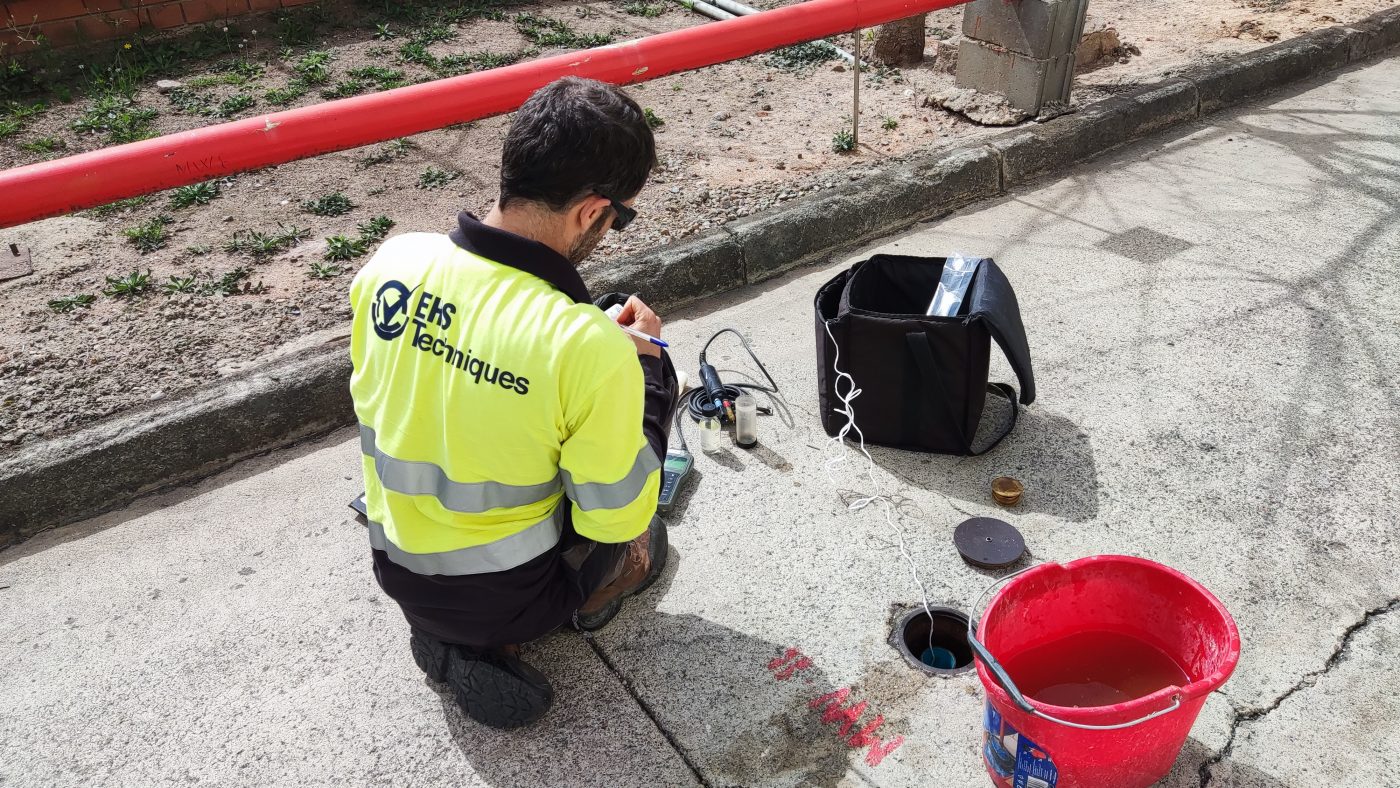
Some river basin authorities saw the possibility of establishing reference levels for certain pollutants that would correspond to those for soil. One of the first to do so was the Ebro, which established the first generic ‘no-risk’ values and generic intervention values for application within its catchment area. This paved the way for a document drawn up by the Ministry for Ecological Transition and the Demographic Challenge in 2020, entitled ‘Guidelines for the Protection of Groundwater against Point Source Pollution’, which sets out draft national reference levels to be applied to groundwater.
Development of reference values and technical tools for groundwater assessment
In view of the need to supplement the studies on soil and associated groundwater, a document was finally approved in 2023 with the aim of complementing the two areas of study: the Real Decreto 665/2023, of 18 July, amending the Regulations on the Public Water Domain, approved by Royal Decree 849/1986 of 11 April; the Regulations on Public Water Management, approved by Royal Decree 927/1988 of 29 July; and Royal Decree 9/2005 of 14 January, establishing the list of activities that may contaminate soil and the criteria and standards for the designation of contaminated land.
This document brings together the tools for the study of soil and groundwater, consolidating the regulations on contaminated soil and groundwater in Spain from an integrated approach. As with everything in this field, there is a process of continuous improvement, and certain provisions of Royal Decree 665/2023 were updated by Royal Decree 1085/2024 of 22 October, which approves the Regulations on Water Reuse and amends various royal decrees governing water management. Similarly, updated guidelines and documents are being published to facilitate the application of current legislation and aid its correct interpretation.
Current situation and challenges in groundwater characterisation
The characterisation of groundwater still presents significant challenges and offers scope for further development. In Spain, by contrast, surface waters have traditionally been subject to more established monitoring, through river basin management plans and Royal Decree 817/2015 of 11 September, which sets out the criteria for assessing their status and the environmental quality standards. This framework includes, for example, the regulation of pollutants such as PFOS and stipulates the need to analyse certain metals or heavy metals.
Taken as a whole, the current legislation on contaminated land and groundwater in Spain makes it possible to identify contamination, define its extent and assess its impact on human health and ecosystems.
Marino Orejana Ruiz-Dana
Why choose EHS Techniques as your environmental consultant?
- More than 10 years of expertise working with large and medium-sized enterprises in sectors such as energy, food or tourism.
- Ability to offer specific and tailored solutions for each organisation.
- Real integration into customer teams, working as part of the company.
- A human team with high technical expertise and practical vision.
The EHS Techniques team guarantees a close and flexible service, adapted to each client’s needs, combining technical rigor with the implementation of advanced solutions at reasonable costs.
Contact our team of professionals.
International experience
We have the international experience to continue offering this service to continue offering this service anywhere in the world.